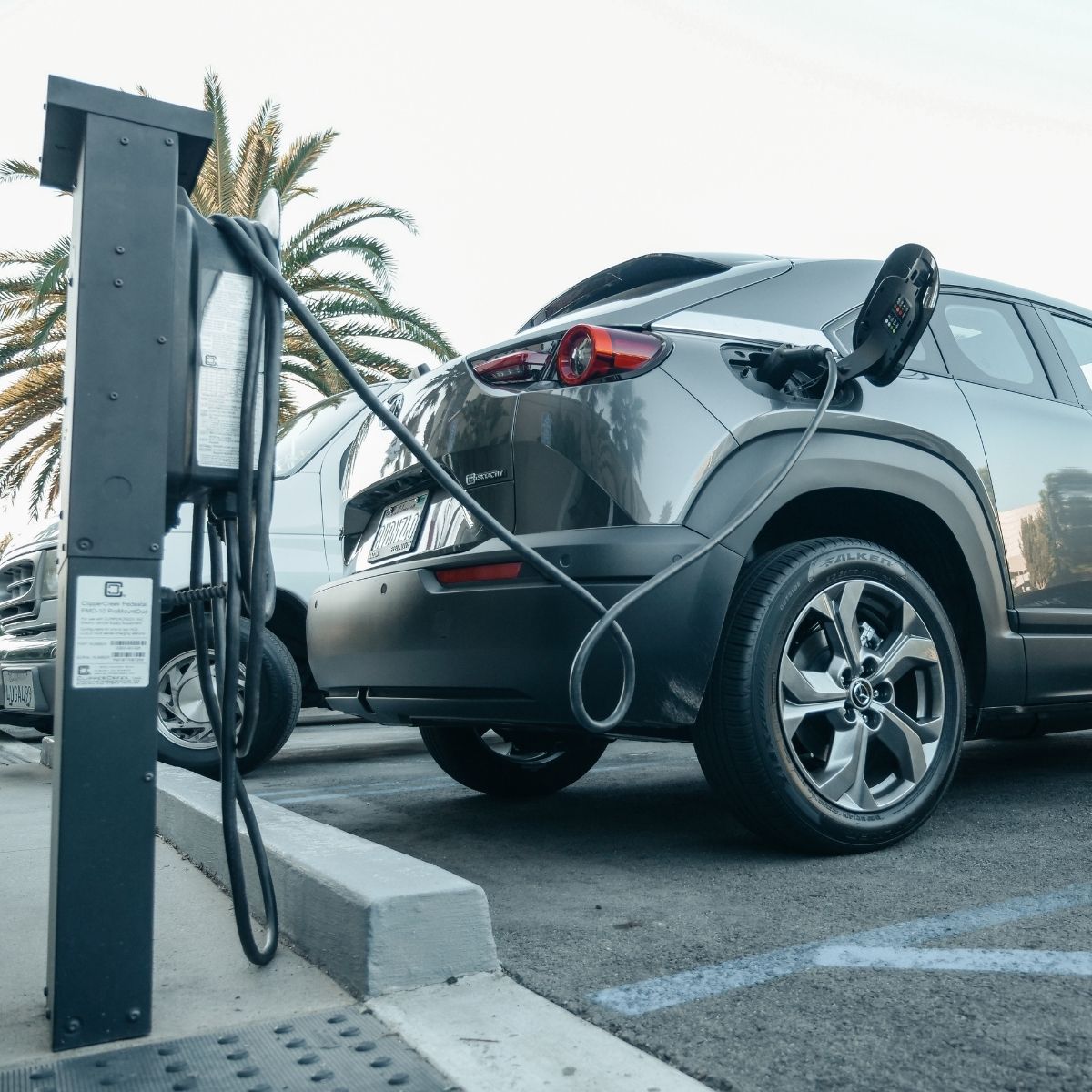
Discover the key benefits of an EV salary sacrifice scheme, including tax savings, lower running costs, and a greener alternative to traditional car ownership.
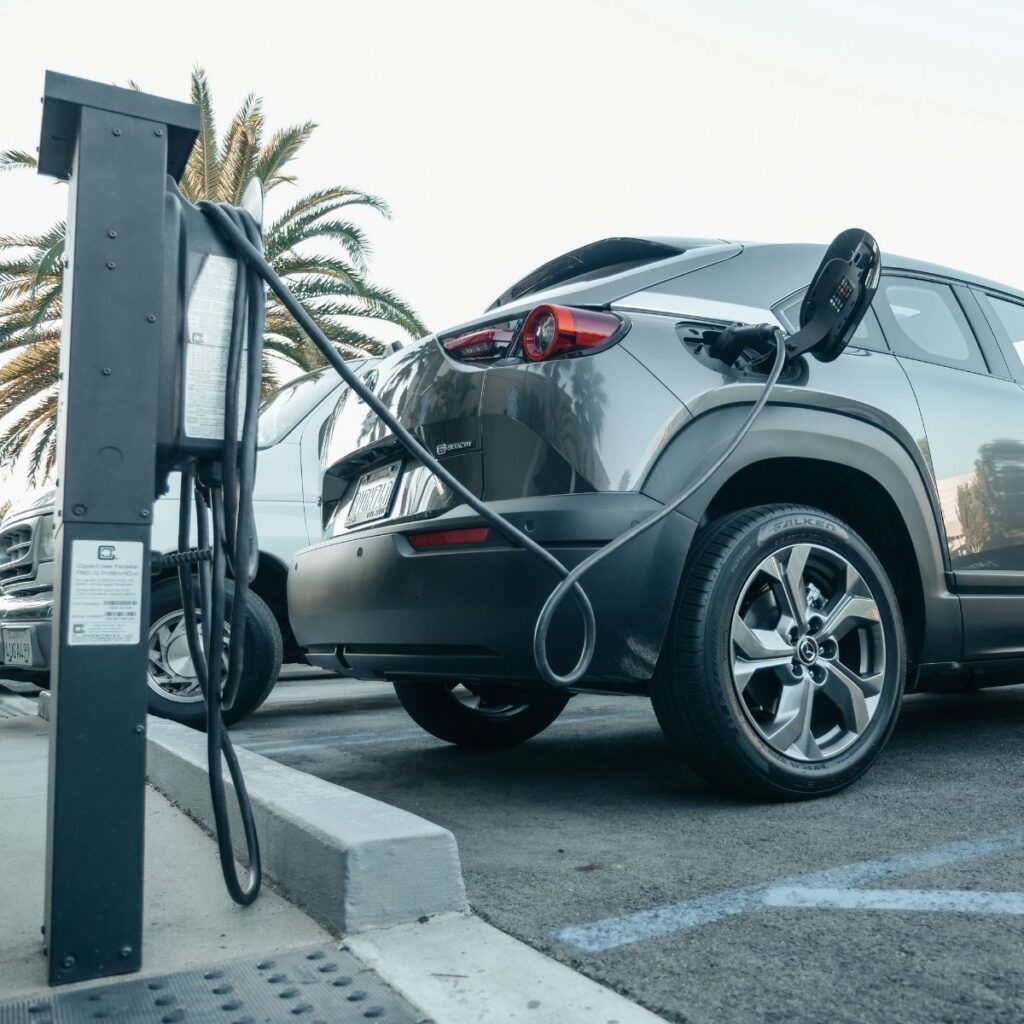
In recent years, the UK has seen a significant push towards electric vehicles (EVs), both from the government and employers keen to support sustainability goals and offer enticing employee benefits. Among the most tax-efficient and practical ways to access a brand new EV is through an EV salary sacrifice scheme. It’s not just a buzzword—it could be a smart financial and environmental move.
This guide explains how EV salary sacrifice schemes work, the savings involved, and why they are becoming a popular alternative to traditional company cars and car leasing. We’ll also explore how these schemes affect your income tax, National Insurance contributions, and more.
What is an EV Salary Sacrifice Scheme?
An EV salary sacrifice scheme is a company-led benefit that allows employees to lease a brand new electric car by giving up a fixed amount of their salary before tax. The employer then uses this portion of the employee’s gross salary to lease the vehicle from an approved leasing company. This means the employee can drive an electric car without the upfront costs of ownership, while benefiting from tax savings.
It works similarly to childcare vouchers, cycle-to-work schemes, or pension contributions, where a portion of your pay is redirected before tax is applied. Because the payment reduces your taxable income, you pay less income tax and lower National Insurance contributions.
Why Is This Scheme Becoming So Popular?
Electric cars are no longer niche. With petrol and diesel cars being phased out, EVs are taking the front seat, particularly in corporate benefits. High upfront costs for EVs used to be a barrier, but the salary sacrifice arrangement makes new electric vehicles much more accessible—without the need for credit checks or deposits.
Employers are also keen to support carbon footprint reduction and sustainability goals, which makes offering an electric car salary sacrifice scheme a win-win.
How Does an EV Salary Sacrifice Scheme Work?
Here’s a simplified breakdown:
- Employee chooses an EV from an approved list (e.g. Tesla Model 3, Nissan Leaf, Hyundai IONIQ, etc.).
- The employer leases the car through a scheme provider or credit broker (e.g. Novuna Vehicle Solutions).
- A portion of the employee’s salary is deducted before tax, covering the lease and bundled services.
- The employee drives away with a brand new electric car—with no deposit, just one monthly payment from their gross pay.
The scheme typically includes:
- Lease of the car
- Maintenance costs
- Road tax
- Breakdown cover
- Roadside assistance
- Insurance (depending on the scheme provider)
Key Benefits of an EV Salary Sacrifice Scheme
1. Substantial Tax Savings
Because payments are deducted from your gross salary, you lower your taxable income. You’ll likely pay less income tax and National Insurance contributions.
If you’re a higher-rate taxpayer, the savings can be significant—sometimes in the thousands per year. It’s one of the most tax-efficient benefits available.
Additionally, benefit-in-kind (BIK) tax on EVs is extremely low. The BIK rate for EVs is currently just 2% (2022–2025), making this one of the most affordable ways to drive a new car.
2. Access to a Brand New EV Without Upfront Costs
Buying a new EV like a Tesla Model Y or Polestar 2 can cost upwards of £40,000–£60,000. Through salary sacrifice, there’s:
- No deposit
- No personal loan
- No credit check
- Just a single monthly cost deducted from your salary
You’re essentially getting a brand new car with all-inclusive benefits (maintenance, tax, etc.), without needing capital or credit.
3. Inclusive Costs Reduce Financial Stress
The scheme typically covers:
- Breakdown cover
- Maintenance costs
- Road tax
- Tyres, servicing
- And sometimes insurance
You’re not juggling bills—everything is rolled into one predictable monthly amount.
4. Lower Running Costs Compared to Diesel Cars
EVs cost less to run than petrol or diesel vehicles. You’ll save on:
- Fuel (especially if you can charge at home)
- London congestion charge (EVs are exempt)
- Servicing and repairs (fewer moving parts)
Plus, you’ll avoid any future penalties or restrictions on fossil fuels as the UK tightens emissions legislation.
5. Environmental Benefits
This is a big one. Choosing an EV helps reduce your carbon emissions and supports the move towards a greener future. It’s a practical way to lower your personal environmental impact, and contributes to your company’s sustainability goals.
You’ll also gain peace of mind knowing you’re actively contributing to a more sustainable future—without compromising on comfort or technology.
6. No Worry About Depreciation or Resale
At the end of the lease period, you return the car—no stress about resale value, depreciation, or the market value of used EVs. If you’ve ever sold a car privately, you’ll appreciate how much time and negotiation this saves.
Who Can Benefit from an EV Salary Sacrifice Scheme?
These schemes are ideal for:
- Mid to high earners – especially those in higher tax bands
- Employees looking to switch to electric without huge upfront costs
- Businesses wanting to offer more valuable employee benefits
- Company car drivers seeking a modern, flexible alternative
- Individuals aiming to reduce their carbon footprint
However, it’s important to note that the scheme may not be suitable for employees earning close to the National Living Wage, as deductions must not reduce your salary below minimum legal thresholds.
What’s the Employer’s Role?
Employers play a key role:
- They set up the scheme with a leasing company or scheme provider
- They manage deductions from payroll
- They may offer insurance add-ons, or tailor the scheme to align with internal employee satisfaction goals
Some businesses also highlight the scheme in recruitment as a valuable employee benefit, boosting retention and appeal to eco-conscious talent.
Employers may also register with a credit broker or leasing firm with a Financial Conduct Authority (FCA) firm reference number, company number, and VAT number to remain compliant.
Comparing Salary Sacrifice to Traditional Leasing
| Feature | Salary Sacrifice | Traditional Lease |
|---|---|---|
| Credit Check | Not needed | Required |
| Deposit | No | Often required |
| Tax Savings | Yes | No |
| Employer Involvement | Yes | No |
| Maintenance/Insurance | Often included | Optional extras |
| Early Termination Risk | Yes (some costs may apply) | Varies |
While traditional leases may offer more flexibility, salary sacrifice programmes often result in lower overall costs due to the tax-efficient structure.
Potential Risks and Things to Watch Out For
Like any scheme, EV salary sacrifice isn’t perfect. Consider the following:
- Early Termination Charges: If you leave your job or need to end the lease early, you might face costs—unless covered by your employer or insurance.
- Reduction in Take-Home Pay: You’re exchanging a portion of your salary, which may affect other benefits like pension contributions or mortgage applications.
- Limited Car Choice: Some providers limit the range of vehicles offered.
- Non-Cash Benefit Reporting: This benefit must be reported for company car tax purposes.
Always check the full scheme details and review your employment contract and financial circumstances carefully before signing up.
Real-Life Example (Illustration Purposes Only)
Let’s say you’re earning £50,000 a year and choose a car costing £500 per month under a salary sacrifice scheme. Because the payment is deducted from gross salary, your actual cost may be closer to £350 per month once tax savings are factored in.
Compare that to leasing the same car privately—you’d pay the full £500 and still cover maintenance, breakdown cover, and more.
EV Salary Sacrifice: A Growing Trend in the UK
EV salary sacrifice schemes have become especially popular since the government introduced lower BIK rates for electric vehicles. With strong market demand for sustainable options and the increasing availability of EV ownership plans, many employers now see this as a great investment in their people and their brand.
Companies like Novuna Vehicle Solutions and others have partnered with hundreds of UK businesses to launch these schemes, offering brand new electric cars with inclusive lease costs, minimal admin, and big savings.
Final Thoughts: Is an EV Salary Sacrifice Scheme Right for You?
The EV salary sacrifice scheme is one of the most forward-thinking and financially savvy benefits on offer today. With the ability to drive a premium electric car at a discounted cost, reduce your carbon footprint, and avoid the pitfalls of traditional leasing, it’s no surprise that more employees are signing up.
If you’re in a tax band that benefits from pre-tax salary deductions and you’re not planning to change jobs in the near future, it could be one of the smartest financial decisions you’ll make this year.
Before committing, speak with your employer or HR team, review the fine print from the scheme provider, and consider using an EV salary sacrifice calculator to estimate your potential savings.
Have questions about how EV salary sacrifice could work for your circumstances? Leave a comment below or reach out to your employer’s HR department for more details.